
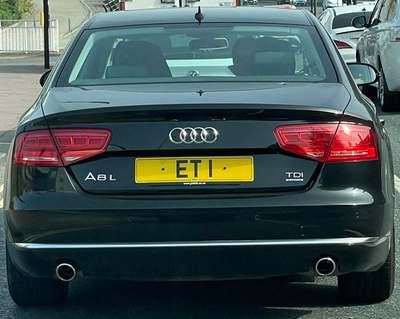
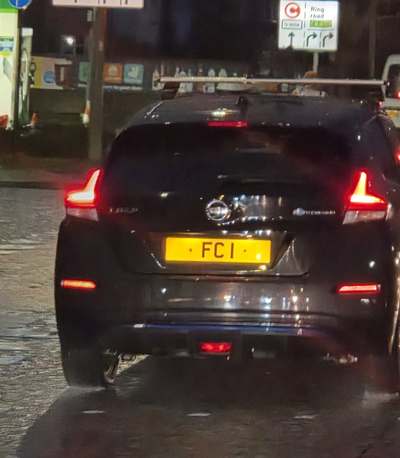
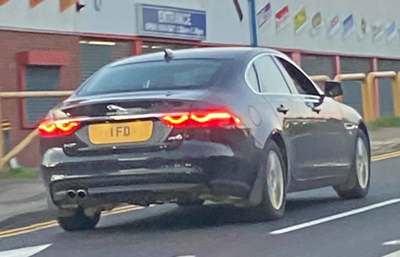
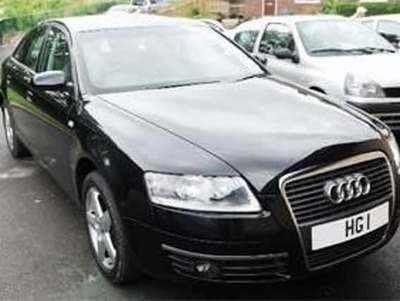
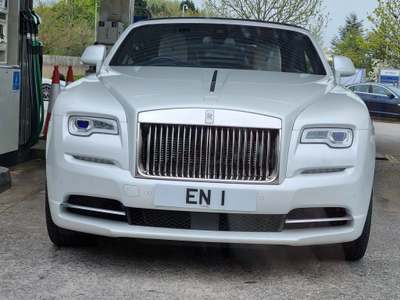
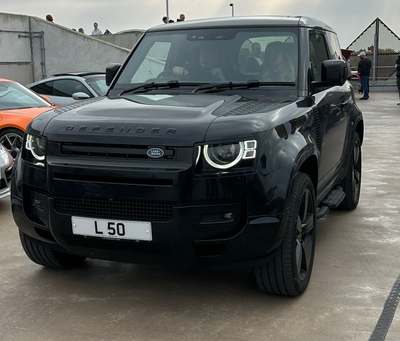
Why councils have number plates
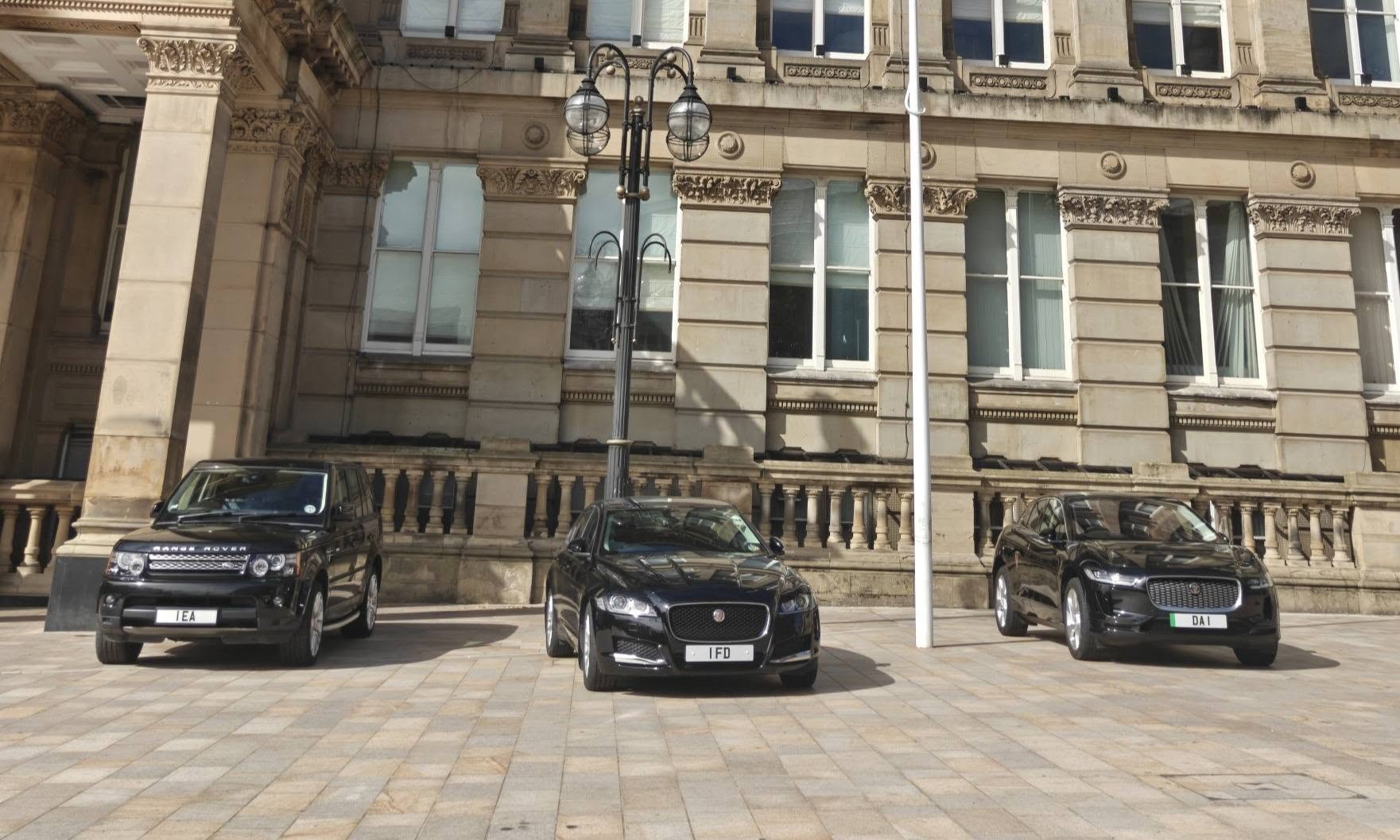
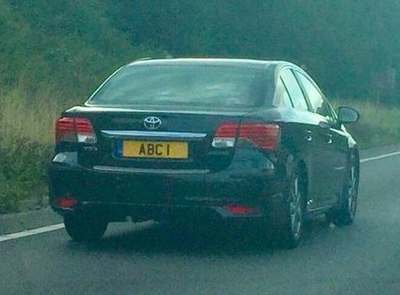
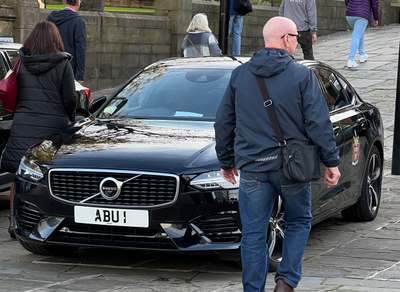
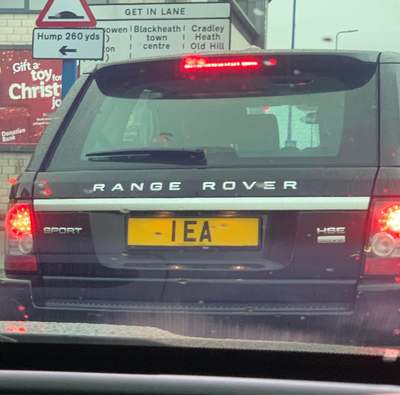
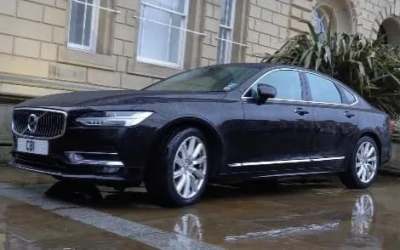
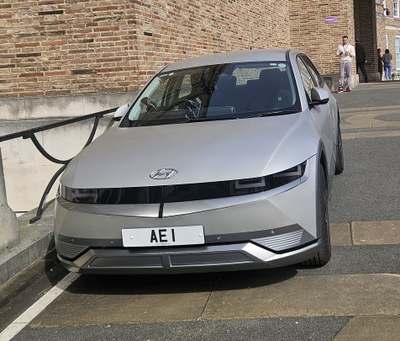
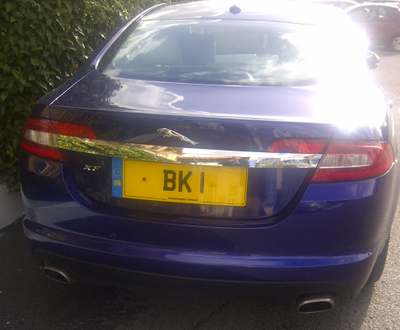
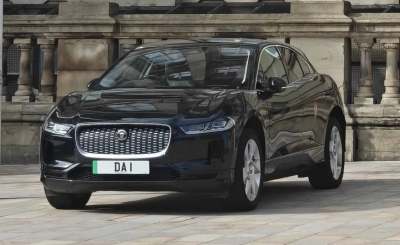
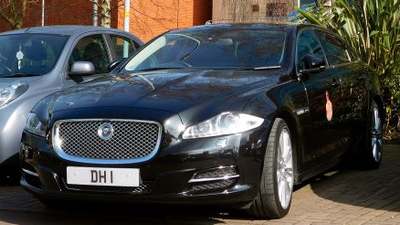
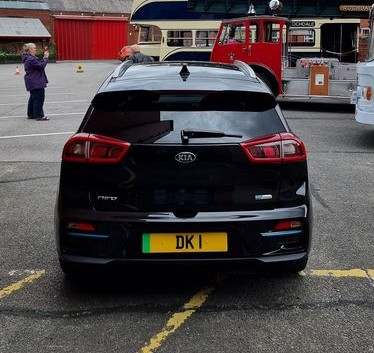
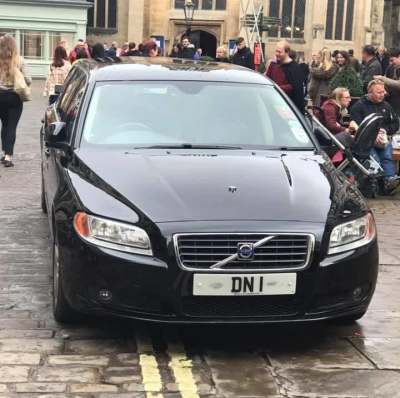
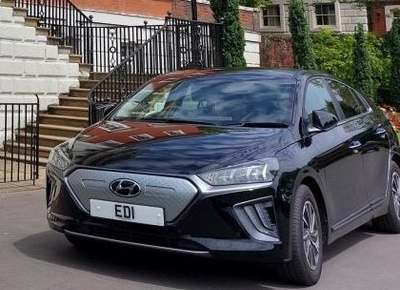
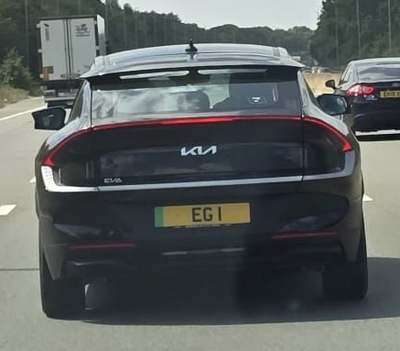
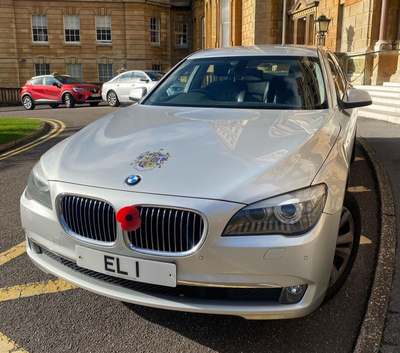
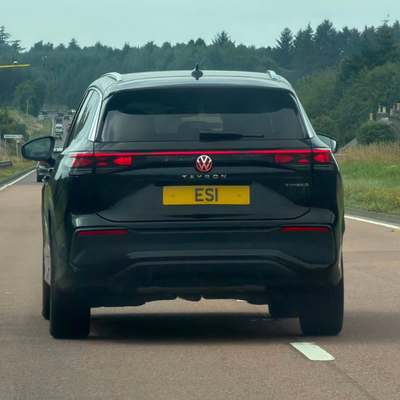
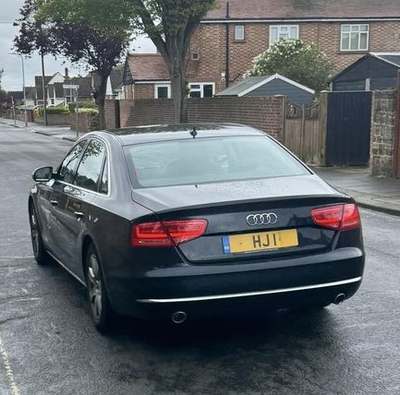
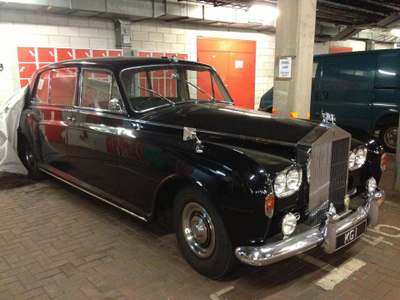
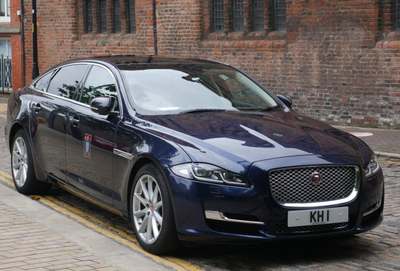
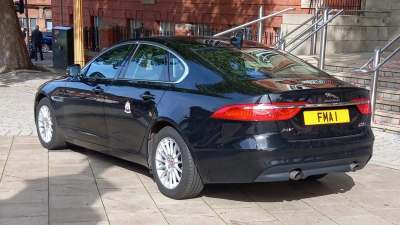
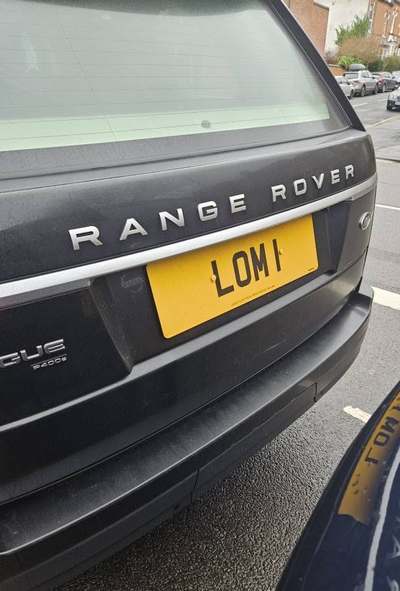
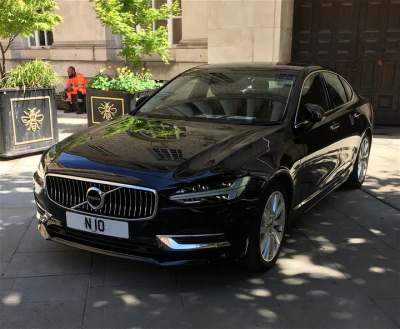
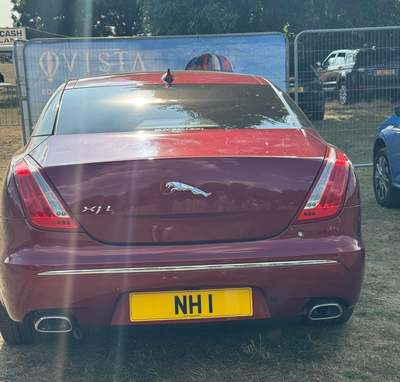
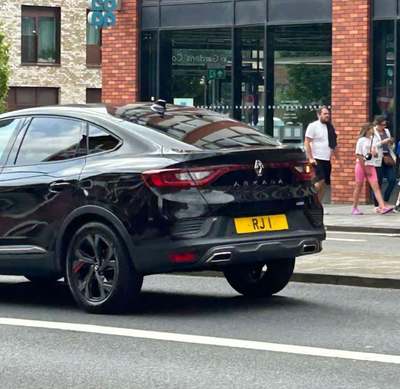
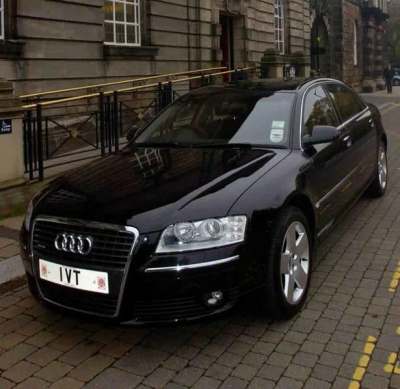
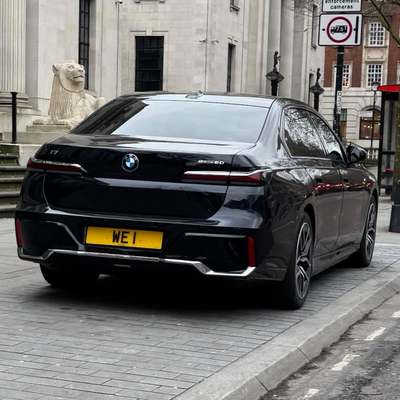
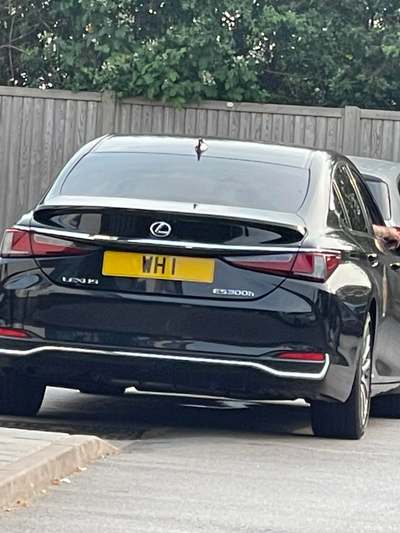
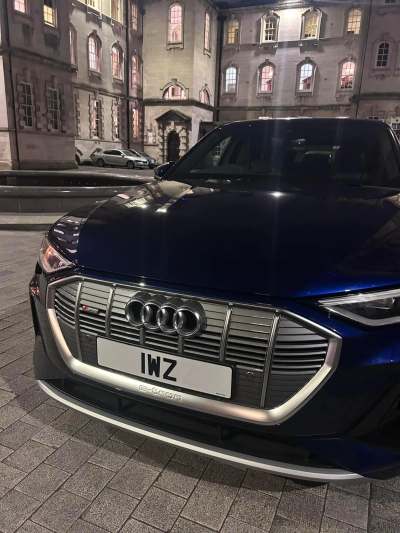
When registrations began in 1903, every county council and county borough was given its own letter codes and issued plates in number order. Many councils kept an early number, often number 1, for the civic car. Bristol kept AE 1, Portsmouth kept BK 1 and York kept DN 1. These plates have carried mayors and lord mayors to official engagements ever since.
Clever choices
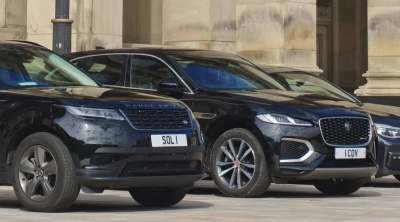
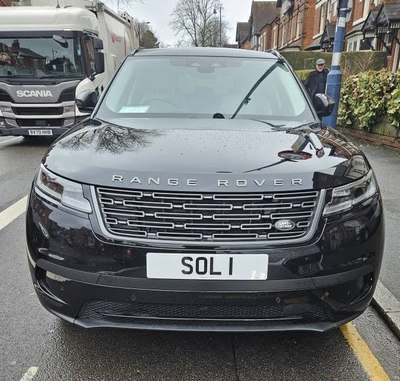
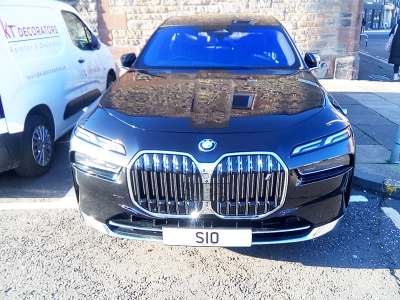
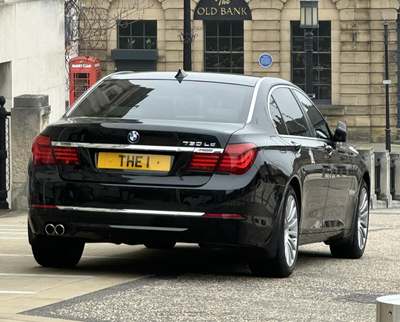
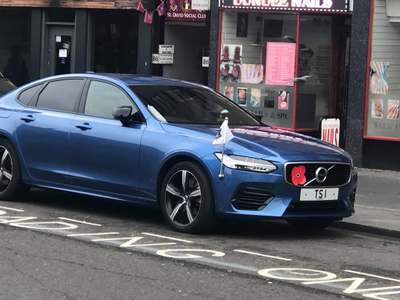
Not every civic plate is an original number 1. Some councils picked registrations that read as their own name or initials, such as 1 COV for Coventry, L6 EDS for Leeds, NEL 100 for North East Lincolnshire and X100 LDC for Lichfield District Council. Barnsley uses THE 1 and THE 2.
The zero plates
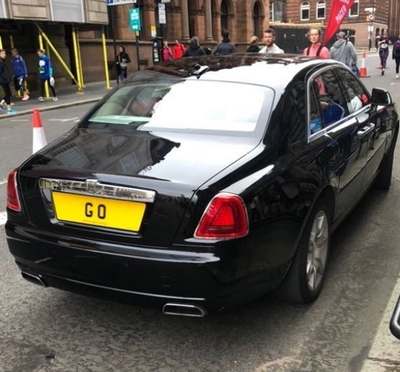
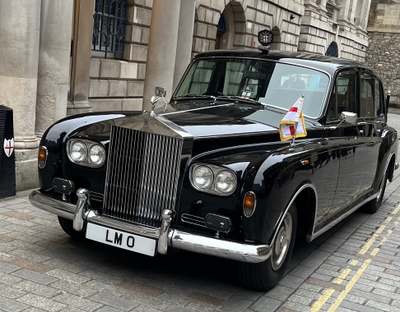
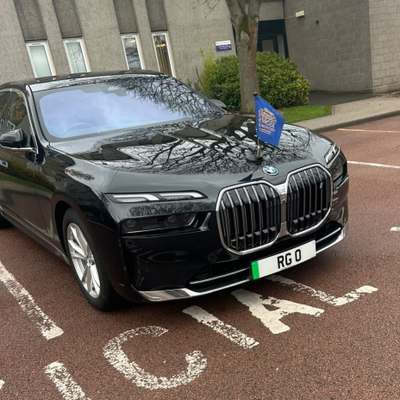
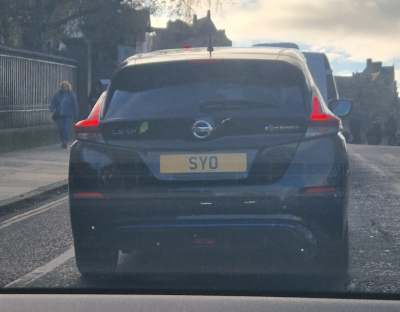
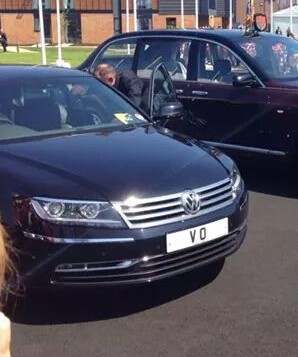
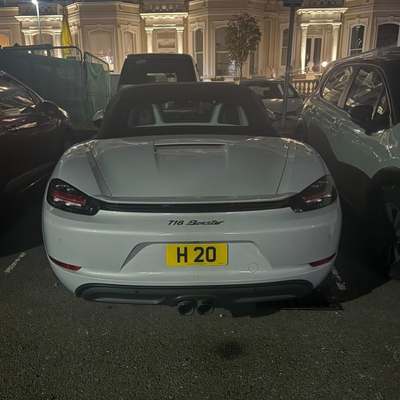
Zero numbers were never issued to the public. A handful were kept for civic heads, mainly in Scotland. G 0 belongs to the Lord Provost of Glasgow, S 0 to the Lord Provost of Edinburgh and RG 0 to the Lord Provost of Aberdeen. LM 0 is used by the Lord Mayor of the City of London. Because these numbers can never be bought from the DVLA, they are some of the rarest registrations in the country.
Plates that have been sold
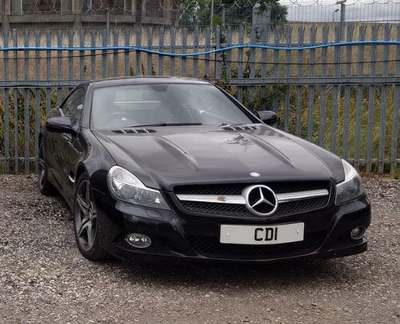
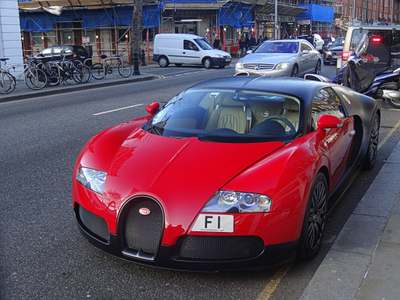
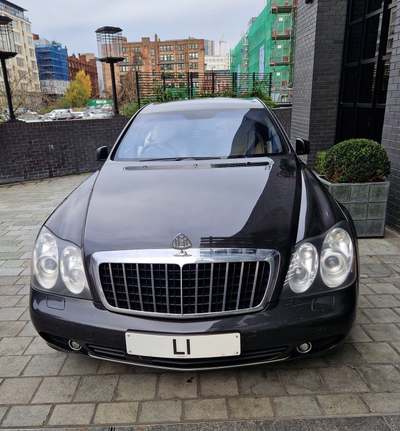
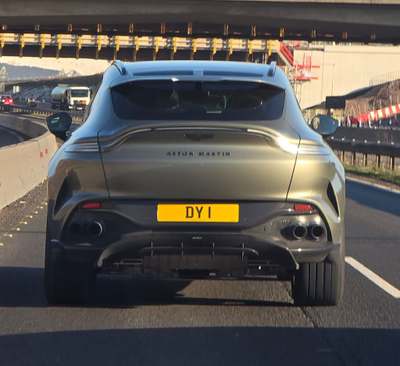
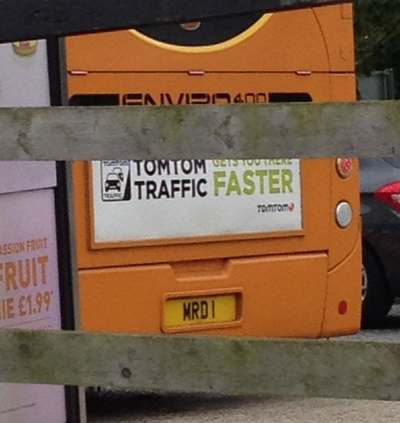
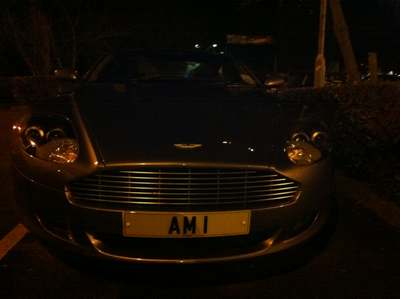
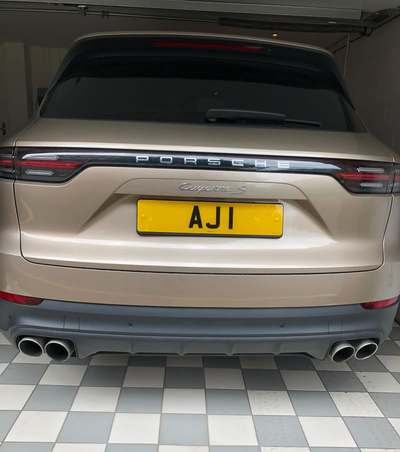
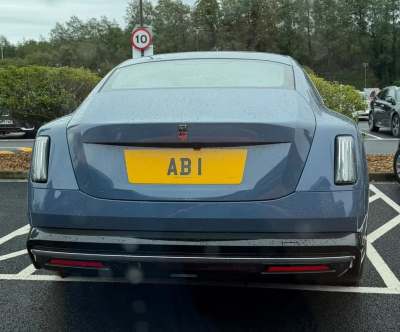
Some councils have sold their civic plates to raise money. Essex sold F 1, Grimsby sold GY 1 and Brighton sold CD 1. Police forces once kept plates too: AM 1 belonged to Wiltshire Constabulary, AJ 1 to North Yorkshire Police and AB 1 to West Mercia Police. MRD 1 from Reading now runs on a Reading bus.
Can I buy one?
Current civic plates are kept on retention by the council and are not for sale. When a council does decide to sell, it usually goes to auction and the plate often makes a high price because of its history. Click any plate above to see its full timeline.